
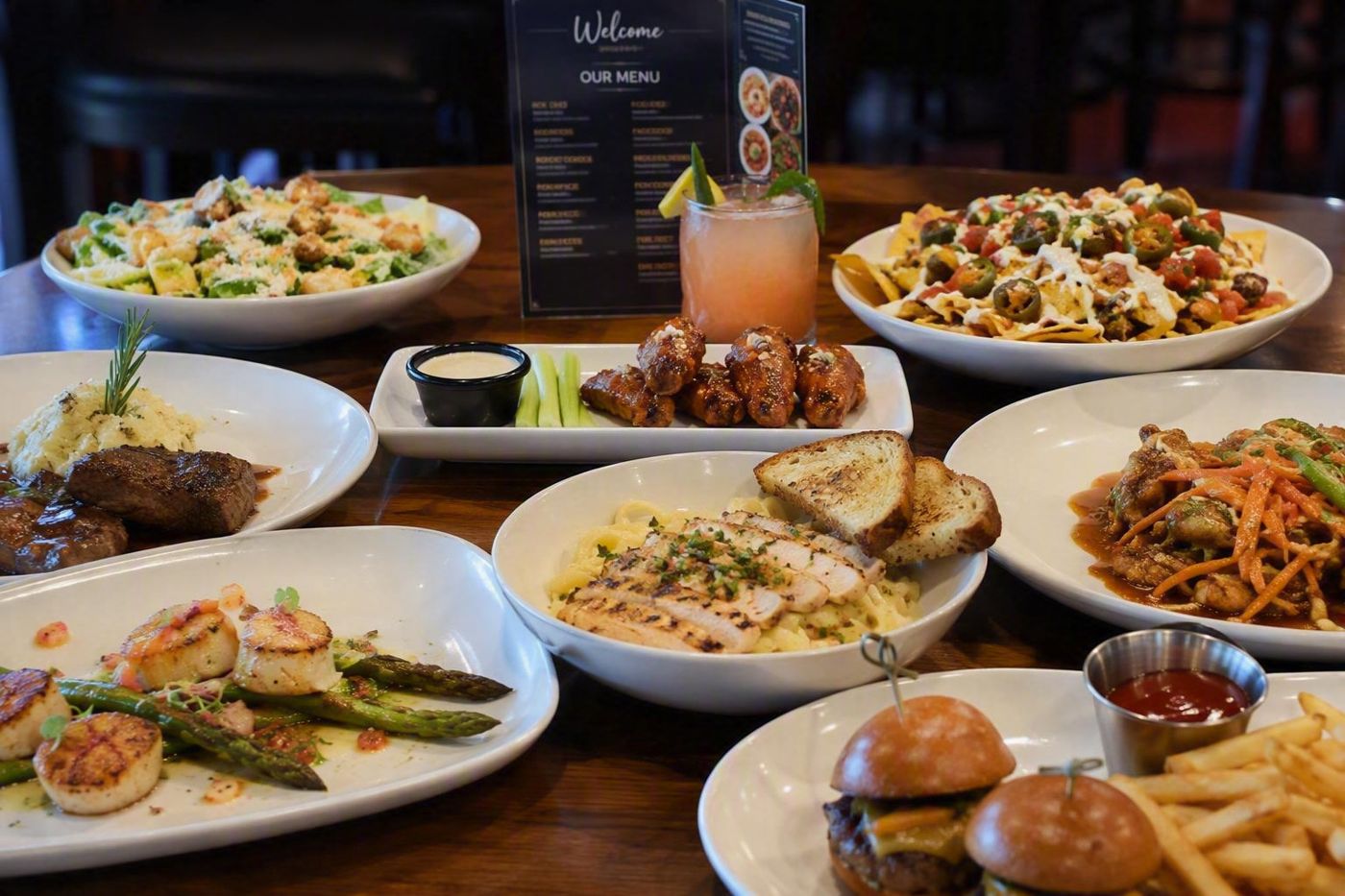
A menu is a financial document
It should read like a great one and cost out like a spreadsheet. We build both sides at the same time.
What this actually involves
A menu decides your food cost, your labor load, your ticket times, your equipment needs, and your check average — usually before anyone tastes a thing. Written without costing, it locks in margin problems that no amount of volume fixes.
We develop recipes and cost them to the gram, run yield tests on the items that matter, and engineer the layout so the high-margin, high-popularity items get the attention they deserve. Then we install the counting and variance discipline that keeps theoretical cost and actual cost from drifting apart.
Where we go to work
A working engagement
Audit the Current Menu
Sales mix, item-level margin, invoices, prep methods, and equipment capacity. We find out what is actually making money.
Develop & Cost
Recipe development and tastings run in parallel with costing and yield tests, so nothing gets loved before it gets priced.
Engineer & Price
Final item selection, menu layout, descriptions, and pricing modeled against target food cost and check average.
Roll Out & Control
Line training, prep sheets, par levels, and the weekly variance report that holds the new cost structure in place.
Deliverables
- Costed recipe book with plating specs and batch yields
- Item-level contribution margin and sales mix analysis
- Engineered menu layout with print-ready copy
- Pricing model with target food cost by category
- Prep sheets, par levels, and waste tracking forms
- Weekly theoretical vs. actual food cost report
Frequently asked
Yes — concept-driven development from first draft through costing, tasting, print-ready layout, and line training.
It depends on the concept, service model, and price point. We set the target off your actual P&L structure rather than a rule of thumb.
Yes. Beverage costing and program design is covered under beverage programs and bar layout design, and the two are usually run together.
Related Articles
Further reading from our insights archive on menu creation & food cost analysis.
Beverage Programs & Bar Layout Design
Certified sommeliers and spirits specialists design the list. Working operators design the bar it has to be poured from.
Kitchen Layout & Design Consulting
A layout mistake becomes a labor line on every P&L you will ever print. We catch it while it is still a drawing.
Ready to step it up?
Start with a free business assessment. We will tell you what we see, in plain language, before anyone talks about scope.