
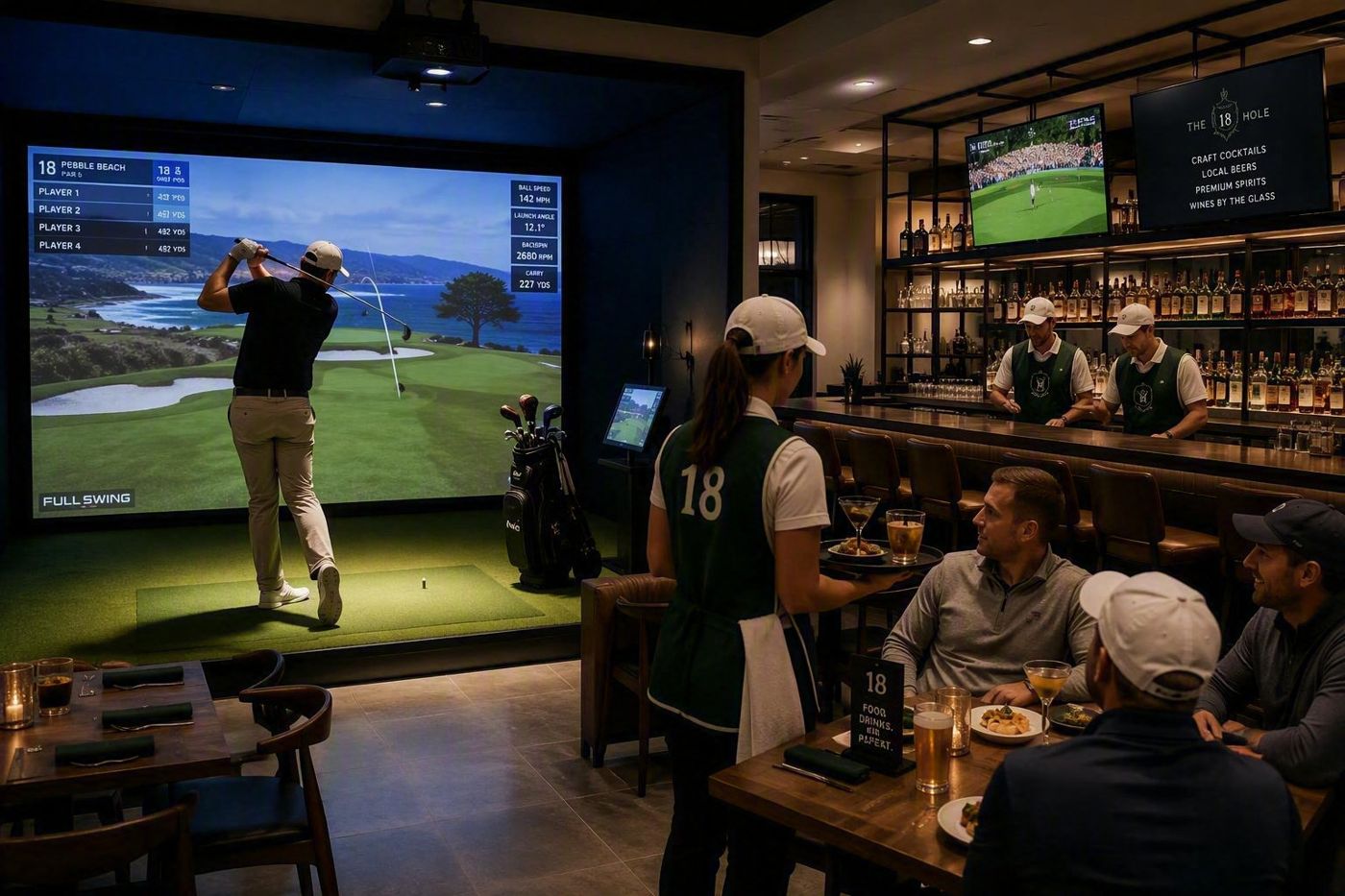
Complex venues, controlled operations
Bar, kitchen, events, admissions, and attractions all running at once — each with its own margin and its own way of leaking money.
What this actually involves
Entertainment venues carry more moving parts than any restaurant. Revenue comes from bar, food, admissions, private events, attractions, and merchandise, and each stream has a different cost structure and a different failure mode. Volume arrives in violent peaks, staffing has to flex with an event calendar, and cash exposure is high.
We build the operating and control structure that lets a venue run hard nights without losing the numbers — bar programs with real pour cost control, event packages priced to margin, a flexible labor model tied to the calendar, crowd flow and security standards, and reporting that separates each revenue stream instead of blending them into one unreadable total.
Where we go to work
A working engagement
Peak-Night Observation
We work a busy night and an event. Throughput, bottlenecks, service times, and control gaps are only visible under load.
Stream-by-Stream Diagnostic
Each revenue line broken out with its own cost structure, so it is clear which one is subsidizing the others.
Install Systems & Controls
Bar specs and inventory, event packages and BEO flow, staffing formulas, cash procedures, and manager training.
Review Against the Calendar
Post-event debriefs and weekly variance review, tuning staffing and pricing as the calendar and crowd mix evolve.
Deliverables
- Revenue stream model with margin targets by line
- Bar menu, drink specs, and pour cost variance reporting
- Event package pricing, BEO template, and staffing formulas
- Flex scheduling framework tied to the event calendar
- Cash handling, comp, and void control procedures
- Crowd flow, entry, and incident documentation standards
Frequently asked
Bars and nightlife, live music and event spaces, family entertainment, and hybrid concepts that combine attractions with food and beverage.
Yes — that is handled under permitting and licensing, and the two engagements are usually run together for a new venue.
Yes. Bar training, service standards, and responsible-service protocol are delivered to the team, not handed over as a binder.
Related Articles
Further reading from our insights archive on entertainment venues.

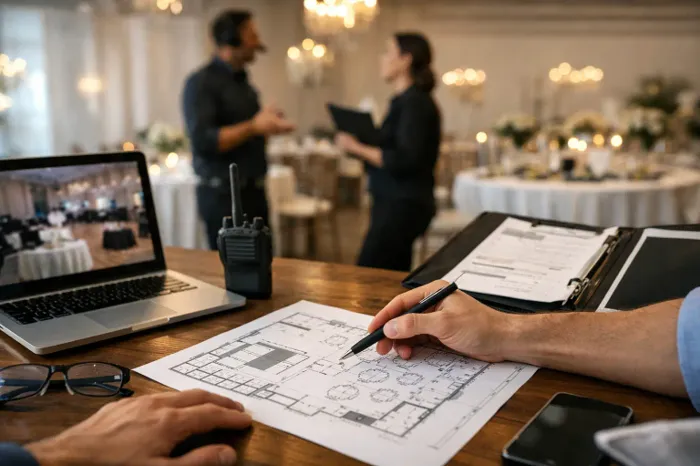

Beverage Programs & Bar Layout Design
Certified sommeliers and spirits specialists design the list. Working operators design the bar it has to be poured from.
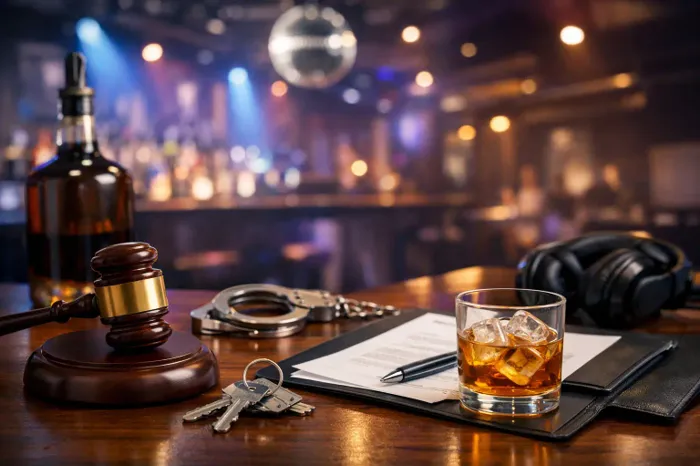
Permitting & Licensing
Rent starts long before revenue does. Every week lost to a permit is a week you pay for and never get back.
Ready to step it up?
Start with a free business assessment. We will tell you what we see, in plain language, before anyone talks about scope.