
Restaurants that run on systems, not heroics
We have opened them, run them, and owned them. Every recommendation we make has already survived a Friday night rush.
What this actually involves
Most restaurants do not fail because the food is bad. They fail because the systems underneath the food never got built — no costed recipes, no labor model, no daily numbers, no accountability routine. The operator ends up working eighty hours a week as the system.
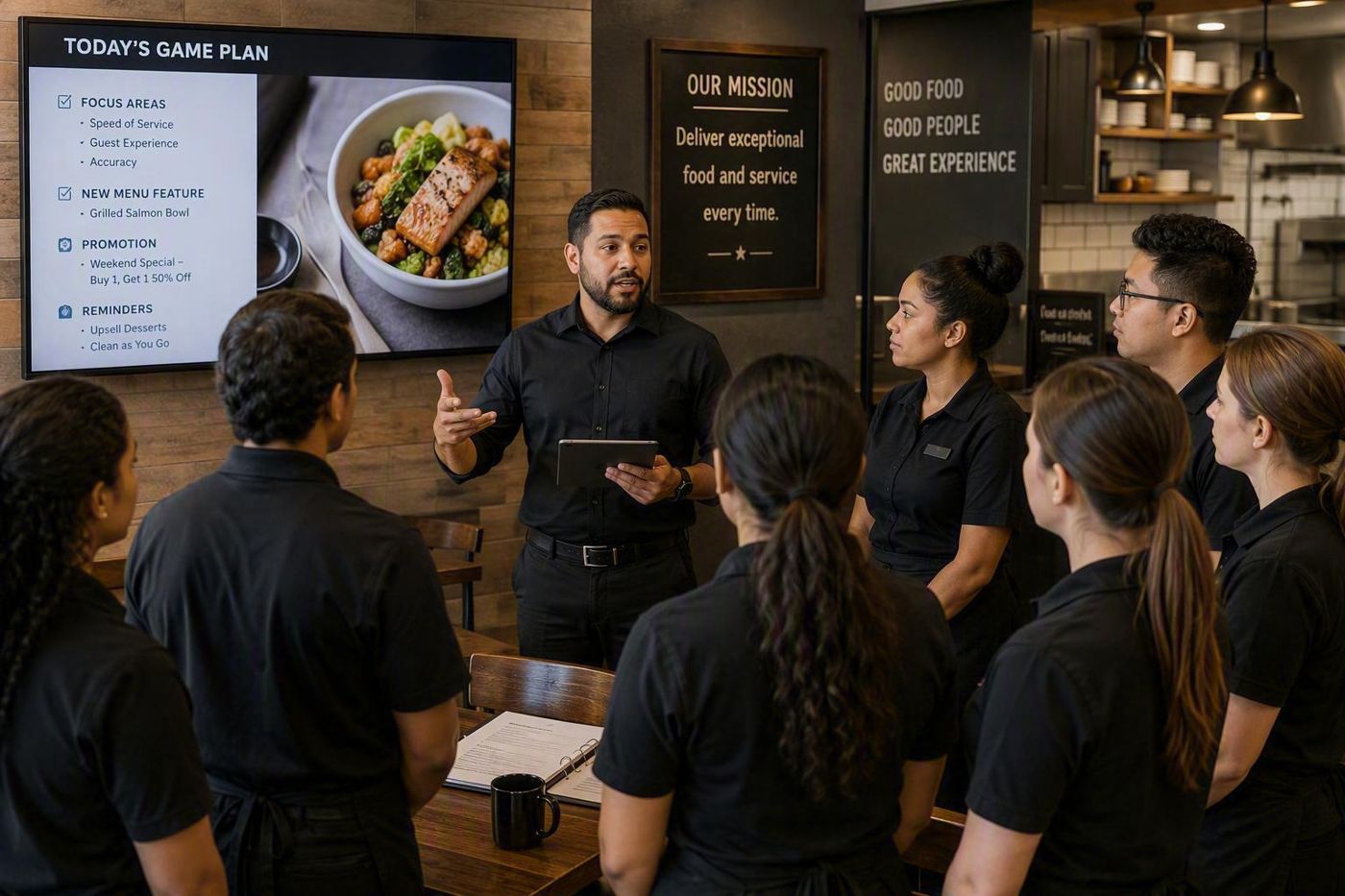
We build the operating layer that lets the concept stand on its own. That means costed menus, position-by-position staffing guides, opening and closing standards, inventory discipline, and a weekly business review where the numbers are actually read. Then we work the floor and the office alongside your team until the routine holds without us.
Where we go to work
A working engagement
On-Site Discovery
We work your shifts, read your P&L and invoices, walk the kitchen, and talk to the team. No conclusions from a spreadsheet alone.
Findings & Priorities
A written diagnostic that ranks issues by dollar impact and effort, so you know what to fix first and what can wait.
Build & Implement
We install the systems with your managers — costed recipes, schedules, checklists, order guides — and train on them in live service.
Measure & Hand Off
Weekly reviews against the numbers until the routine belongs to your team. We leave documentation, not dependency.
Deliverables
- Written operational diagnostic with prioritized action plan
- Costed recipe book and engineered menu with target margins
- Labor model, org chart, and position-level staffing guides
- SOP library: line checks, prep lists, open/close, cash handling
- Weekly prime cost and P&L reporting package
- Manager training path and accountability meeting cadence
Frequently asked
Both. A single owner-operated restaurant and a multi-unit group get the same discipline — the scope and cadence differ, not the standards.
Yes. We are on the floor and in the office during service. Systems that are written but never run in real conditions do not survive.
A focused diagnostic can be a few weeks. A full pre-opening or turnaround engagement typically runs several months so the systems are proven before we step back.
Related Articles
Further reading from our insights archive on restaurant consulting.



Menu Creation & Food Cost Analysis
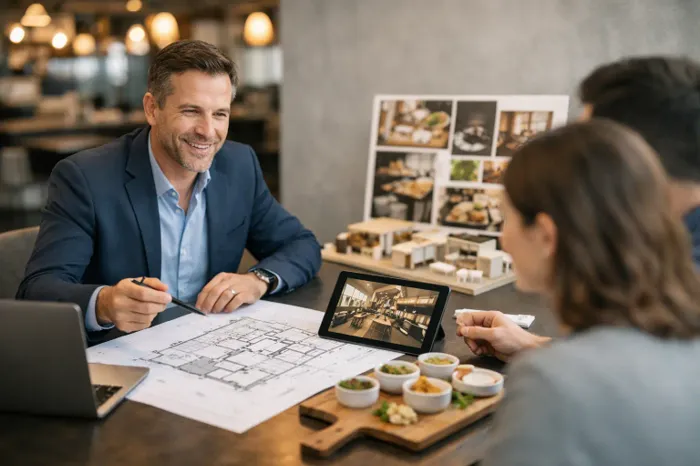
It should read like a great one and cost out like a spreadsheet. We build both sides at the same time.
Full Scale Business Accounting
Certified bookkeepers and accountants who read a restaurant P&L the way an operator does — by line, by week, by cause.
Ready to step it up?
Start with a free business assessment. We will tell you what we see, in plain language, before anyone talks about scope.