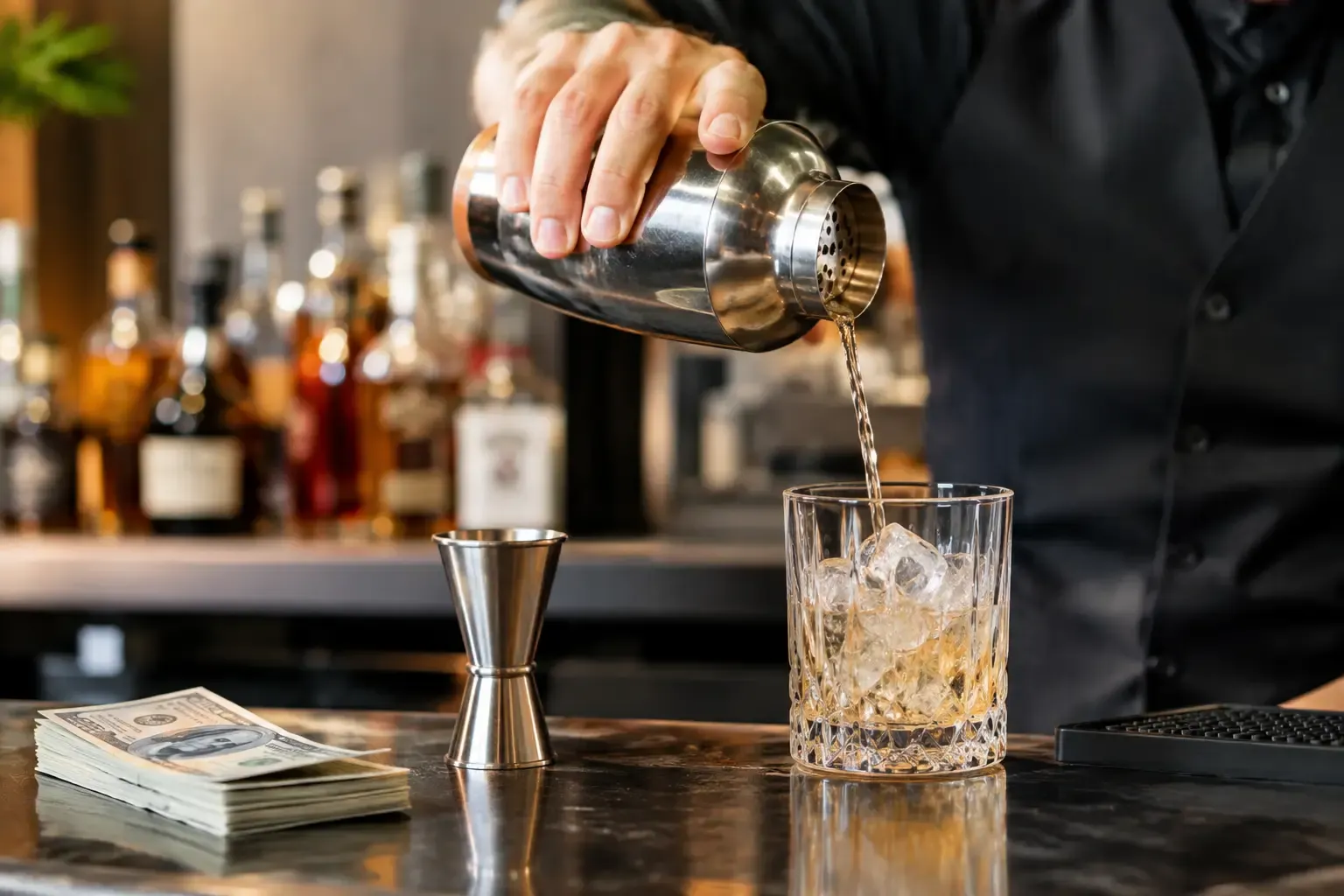
A bartender can be busy all night, sales can look strong, and the bar can still miss its margin target by thousands of dollars. When owners ask, "why is bar pour cost high," the answer is rarely one bad vendor price or one heavy-handed bartender. It is usually a control failure somewhere between the purchase order, the recipe, the point of sale, and the physical inventory.
Pour cost is one of the cleanest performance indicators in a beverage operation because it connects what you bought to what you sold. It is also easy to misread. A high number may signal overpouring, but it can just as easily point to poor menu pricing, unrecorded comps, inventory mistakes, or a sales mix that changed without anyone adjusting the program. The job is not to force the number down blindly. The job is to identify the leak and protect profit without weakening the guest experience.
What a High Bar Pour Cost Actually Means
Bar pour cost is typically calculated as beverage cost divided by beverage sales. If you used $9,000 in liquor, beer, wine, mixers, and related bar products to generate $30,000 in beverage sales, your pour cost is 30%.
The formula is simple. The inputs are not. Use beginning inventory plus purchases minus ending inventory to calculate product used during the period. Then divide that number by net beverage sales for the same period. Sales tax does not belong in the denominator, and neither do non-beverage sales. If inventory is taken on Sunday night but sales are pulled through Monday morning, the calculation is already compromised.
There is no single correct pour-cost target. A neighborhood bar selling well spirits and domestic beer operates differently from a high-end cocktail program using fresh juice, house syrups, premium tequila, and expensive glassware. Wine-heavy venues have different pressure points than nightclub programs built around bottled beer and vodka. What matters is whether your actual cost is aligned with your concept, prices, recipe standards, and budget.
A 24% pour cost is not automatically good. It may mean the bar is priced too aggressively for the market and leaving revenue on the table. A 32% pour cost is not automatically bad if the concept deliberately uses premium ingredients and has the check average to support it. The concern begins when actual performance drifts materially above the theoretical cost built into your recipes and pricing model.
Why Is Bar Pour Cost High? Start With the Math
Before changing prices or confronting the staff, verify the measurement. Many operators compare a weekly inventory result with a monthly sales report, use invoice purchases rather than product received, or count partial bottles inconsistently. Those errors create noise that looks like a cost problem.
A reliable weekly inventory process uses the same count day, same count sequence, same units of measure, and current invoice costs. Every bottle needs a consistent conversion value. A 750 ml bottle is not "one bottle" if one person estimates it as half full and another calls it two-thirds. Scales, standardized inventory sheets, and trained counters reduce this subjectivity.
Also separate categories. Liquor, beer, wine, nonalcoholic beverages, and bar food can each mask the others. A favorable beer cost can hide a liquor variance. A high-end wine purchase ahead of a holiday weekend can temporarily distort the total number. Category reporting shows where the issue actually sits.
Theoretical Cost Versus Actual Cost
The most useful comparison is actual usage against theoretical usage. Theoretical usage is what inventory should have been consumed based on recorded sales and approved recipes. Actual usage is what the inventory count says was consumed.
If the POS shows 100 margaritas sold and each approved recipe uses 2 ounces of tequila, the theoretical tequila use is 200 ounces, adjusted for any approved modifiers. If actual inventory indicates 250 ounces were used, that 50-ounce gap is variance. It may be overpouring, spills, unauthorized drinks, ringing errors, theft, or an inventory-count problem. Until you measure that gap, you are managing from instinct.
The Operational Leaks That Drive Beverage Cost
Portions Are Not Controlled at the Bar
Free-pouring can work in a tightly managed program with experienced staff, calibrated pour tests, and consistent glassware. In many operations, it becomes a margin leak disguised as hospitality. An extra quarter-ounce on a two-ounce pour may not feel meaningful on one drink. Across hundreds of cocktails per week, it becomes real money.
Jiggers, measured pour spouts, marked glassware, and recipe cards are not signs of distrust. They are operating standards. The strongest bar teams understand that consistency protects both the guest and the business. A guest who gets a perfect cocktail every visit is more valuable than a guest who receives an occasional oversized pour and an inconsistent experience.
Portion control includes wine and beer. Overfilled wine glasses, inconsistent draft beer foam standards, and excessive comped shots can create as much variance as spirits. If the program sells flights, doubles, neat pours, or premium upgrades, every variation must be correctly built into the POS and recipe costing.
Menu Prices No Longer Match Costs
A cocktail priced correctly six months ago may be underpriced today. Spirit costs move. Citrus, specialty garnishes, imported beer, and wine can rise sharply. A distributor substitution can change the cost of a key ingredient without anyone updating the recipe card or selling price.
Cost each drink at current landed cost, not the price you remember paying. Include all ingredients that materially affect the drink: liquor, liqueurs, wine, beer, juices, syrups, purées, garnishes, and specialty ice when applicable. Then assess price against the desired margin and local market tolerance.
The answer is not always a price increase. You may change the pour, replace an ingredient, adjust the build, renegotiate a buy, or promote a more profitable alternative. But doing nothing is still a decision, and it usually transfers margin from the operator to the guest.
Purchasing Is Undisciplined
High pour cost can begin before the delivery reaches the building. Buying without par levels creates excess inventory, which raises the chance of spoilage, breakage, and untracked consumption. Ordering premium products because they are available, rather than because they support a menu or sales plan, ties cash up on shelves.
Review invoices every week. Confirm that pricing matches agreements, credits are received, and substitutions were approved. Compare case cost and bottle cost over time. A vendor may not be the problem, but vendor management cannot be passive.
Purchasing should also match sales velocity. Slow-moving cordials, specialty wines, and novelty products need a clear purpose. If an item does not support the menu, the guest experience, or a profitable upsell, it is likely taking up cash and creating inventory complexity.
Comps, Voids, and Transfers Are Not Accountable
A comp can be an effective recovery tool. A void can correct an honest error. A shift drink can be part of a documented employee policy. None of those should happen without clear authorization and reporting.
Run daily reports for comps, voids, discounts, refunds, open checks, and manager overrides. Review them by employee, time of day, and reason code. A pattern matters more than an isolated event. A bartender with unusually high voids after midnight may need coaching, tighter procedures, or a more serious investigation.
One overlooked issue is product transfer. Bottles moved from one bar to another, alcohol used for a private event, or wine sent to the kitchen for a sauce must be documented. The inventory has left one area, but if the transfer is not recorded, the original bar appears to have consumed product without sales.
Theft Is Possible, But Do Not Make It the Default Explanation
Theft happens. So do poor systems that make honest people look suspicious. Accusing staff before validating inventory, recipes, and POS configuration damages trust and often misses the root cause.
Start with evidence: theoretical-versus-actual variance, camera review where appropriate and lawful, void and comp trends, pour testing, cash controls, and surprise cycle counts on high-value bottles. Focus first on the products with the largest dollar variance, not only the highest percentage variance. A small discrepancy on a top-shelf tequila may matter more than a larger percentage issue on low-cost beer.
A Practical Recovery Plan for High Pour Cost
Do not try to repair every control at once. Start by setting a clean baseline over two to four operating weeks. Complete full inventory at the same time each week, reconcile purchases, pull net beverage sales, and calculate actual cost by category.
Next, build or validate recipe costs for your top-selling drinks and your highest-cost products. Confirm that POS buttons, modifiers, sizes, and prices match what the bar is actually serving. Then compare theoretical and actual usage. This identifies whether the primary issue is pricing, product cost, or operational variance.
Once the source is clear, assign ownership. The beverage manager may own recipe compliance and weekly pour tests. The general manager may approve comps and review exception reports. Accounting may validate invoices and inventory valuation. Ownership matters because bar cost does not improve through a spreadsheet alone. It improves when the operating team sees the number, understands the cause, and follows a repeatable standard.
Train to the standard, then audit the standard. Conduct regular pour tests, taste cocktails against recipe specs, check back-bar organization, and review high-cost items in every manager meeting. Keep the process disciplined but practical. An operator does not need more reports that no one reads. They need a short scorecard that produces action.
At Step It Up Strategies, that is the operating lens: financial controls have to work during a packed Friday night, not just in a month-end review. A healthy bar program gives managers visibility before the variance becomes a quarter-end surprise. Get the counts right, make every sale ring correctly, and build a beverage program that earns its margin one measured pour at a time.